

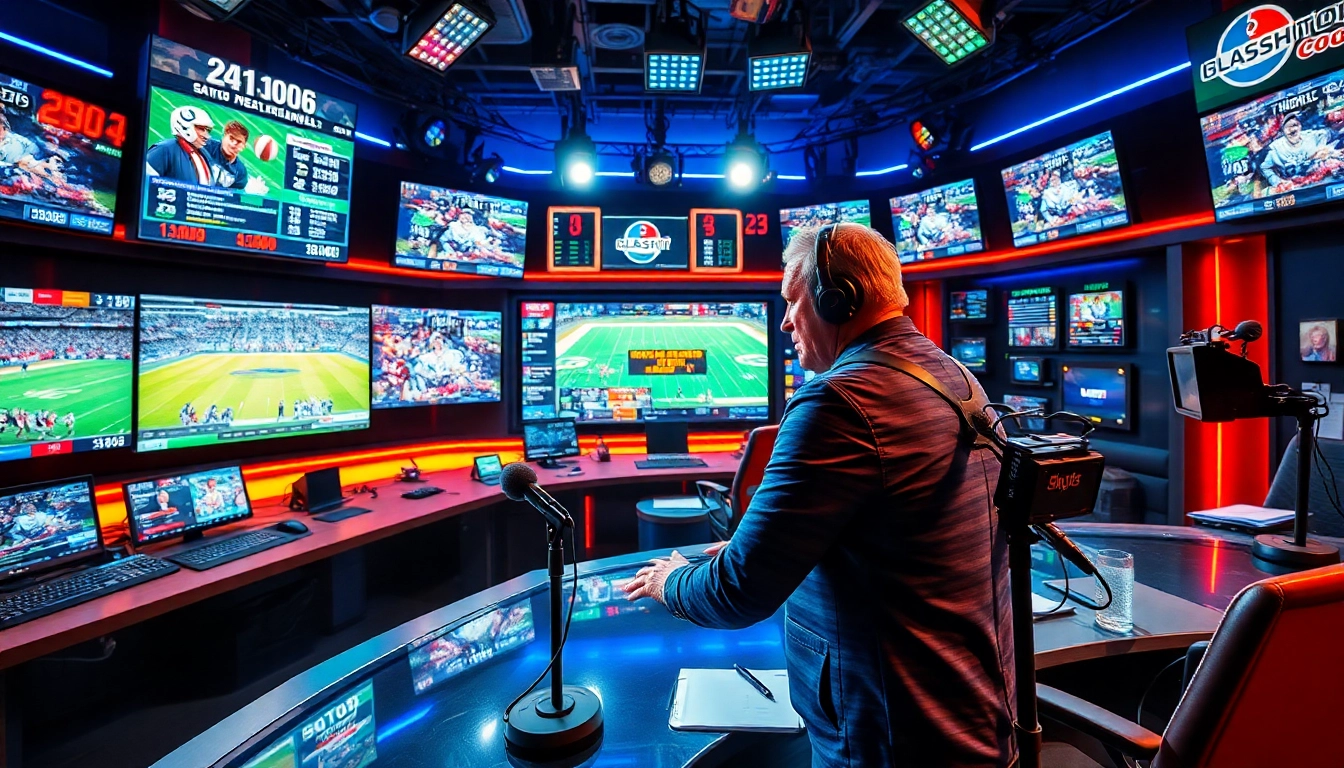
Introduction to Sports Broadcasting
Sports Broadcasting is a dynamic and integral part of how we engage with our favorite sports and athletes. It encompasses a wide array of activities, from live game coverage to highlights and discussions that keep fans informed and entertained. With the rapid evolution of technology and media consumption habits, understanding the intricacies of Sports Broadcasting is crucial for those looking to enter the field or simply appreciate the art behind it. This article delves into the comprehensive landscape of Sports Broadcasting, exploring its role, evolution, current trends, and the essential skills needed for professionals in the industry. If you’re interested in learning more, you can check out resources related to Sports Broadcasting.
Understanding the Role of Sports Broadcasting
At its core, Sports Broadcasting serves multiple functions: it informs fans, entertains viewers, and promotes sports to wider audiences. This multifaceted role hinges on a seamless blend of storytelling, real-time information dissemination, and high-quality production values. Whether through television, radio, or online platforms, the goal remains consistent: to engage and excite audiences about sports. By covering the spirit of competition, player narratives, and even behind-the-scenes access, Sports Broadcasting transforms the experience of following a sport into an interactive adventure.
The Evolution of Sports Broadcasting
The history of Sports Broadcasting is rich and varied. It began in the early 20th century with radio broadcasts of key sporting events, progressing to black-and-white television coverage in the mid-20th century. Major events, such as the Olympics and Super Bowl, quickly became national spectacles, drawing in millions of viewers. The advent of cable television in the 1980s further revolutionized the industry, introducing dedicated sports networks and round-the-clock coverage. Today, the rise of streaming services and social media continues to reshape how sports are consumed, leading to more democratized access to content.
Current Trends in Sports Broadcasting
In the digital age, several trends have emerged in Sports Broadcasting. Firstly, the integration of augmented reality (AR) and virtual reality (VR) enhances viewer engagement by providing immersive experiences. Additionally, with the proliferation of mobile devices, audiences expect on-the-go access to live events and highlights. Furthermore, interactive features, such as live polls and social media sharing during broadcasts, create a more engaging environment. Finally, data analytics play a crucial role in Sports Broadcasting, influencing how content is produced and tailored to audience preferences.
Key Skills for Sports Broadcasting Professionals
Communication Skills in Sports Broadcasting
Effective communication is fundamental in Sports Broadcasting. Professionals must convey information clearly and engagingly, whether they are delivering game commentary or hosting a sports talk show. This includes not only verbal communication but also body language and audience interaction. A broadcaster’s ability to articulate the excitement of a moment can elevate a viewer’s experience and foster a deeper connection to the sport.
Technical Skills Required for Sports Broadcasting
Technical proficiency is equally important in the field. Sports broadcasters should have a solid understanding of the equipment and software used in production. This includes knowledge of cameras, microphones, and video editing tools, as well as familiarity with broadcasting standards and regulations. In a world where live feeds and digital broadcasting are the norm, being tech-savvy can significantly impact the quality and reliability of broadcasts.
Creative Storytelling in Sports Broadcasting
Beyond the technical aspects, creativity is the hallmark of a successful sports broadcaster. The ability to weave compelling narratives around games, players, and events turns a standard broadcast into an unforgettable experience. Creative storytelling includes understanding the emotional arcs of athletes and teams, anticipating audience reactions, and designing content that resonates deeply with viewers.
The Future of Sports Broadcasting
Impact of Technology on Sports Broadcasting
As technology continues to evolve, its impact on Sports Broadcasting will remain substantial. Innovations such as artificial intelligence (AI) and machine learning are being utilized not just in production but also in analyzing viewer preferences and trends. These tools can enhance content delivery by tailoring broadcasts to specific demographics, thus increasing viewer satisfaction and engagement.
Emerging Platforms for Sports Broadcasting
The rise of streaming platforms has transformed the Sports Broadcasting landscape, providing new opportunities for content creators. With consumers increasingly turning away from traditional cable subscriptions, platforms like YouTube, Twitch, and others provide avenues to reach niche audiences. These platforms also facilitate a blend of live and recorded content, replication of live interactions, and the potential for monetization through subscriptions and sponsorships.
The Shift Towards Interactive Sports Broadcasting
Audiences today expect more than passive viewing; they desire interaction and engagement. This has led to a shift towards interactive Sports Broadcasting, where viewers can participate in live chats, polls, and discussions while watching games. This engagement fosters a sense of community among fans and helps networks gather real-time feedback, making adjustments to content on the fly.
Challenges in Sports Broadcasting
Managing Live Broadcasts
One of the most significant challenges in Sports Broadcasting is managing live broadcasts. The unpredictable nature of live events requires broadcasters to think quickly and make instant decisions. Technical glitches, unexpected delays, and unforeseen events can disrupt the flow of a broadcast, necessitating contingency plans and backup systems to ensure a seamless viewer experience.
Ensuring Quality in Sports Broadcasting
Maintaining high quality in broadcasts is paramount to keeping audience trust and interest. This encompasses picture and sound quality, as well as the professionalism of hosts and commentators. Networks must invest in quality equipment, thorough training programs for staff, and regular quality assessments to uphold broadcasting standards and maintain viewer engagement.
Audience Engagement Strategies for Sports Broadcasting
Engaging with the audience is crucial for any Sports Broadcasting entity. Strategies include leveraging social media for real-time interaction, creating fan-driven content, and utilizing data analytics to understand viewer preferences. Moreover, fostering a strong community feeling among fans through contests, giveaways, and live events can enhance viewer loyalty and enhance their overall experience.
Measuring Success in Sports Broadcasting
Key Performance Indicators for Sports Broadcasting
Measuring success in Sports Broadcasting involves tracking various Key Performance Indicators (KPIs). Common KPIs include viewer ratings, audience demographics, engagement levels, and social media interaction metrics. Monitoring these indicators helps networks understand the effectiveness of their broadcasts and guide future content strategies.
Audience Metrics and Feedback in Sports Broadcasting
Audience feedback is invaluable for continuous improvement in Sports Broadcasting. Networks often implement surveys, audience polls, and social media monitoring to gather insights. This feedback provides a clearer picture of viewer preferences and pain points, allowing broadcasters to adjust their strategies accordingly and foster a deeper connection with their audience.
Case Studies of Successful Sports Broadcasting
Analyzing case studies of successful Sports Broadcasting can reveal best practices and innovative strategies. For example, examining how a particular network increased its ratings through strategic partnerships, content diversification, or audience engagement campaigns can provide actionable insights for others in the field. These case studies often highlight the importance of adaptive strategies in an ever-evolving marketplace.
Frequently Asked Questions
What is Sports Broadcasting?
Sports Broadcasting involves the transmission of sports events through various media, including TV, radio, and online platforms, to engage and inform audiences.
What skills are necessary for a career in Sports Broadcasting?
Key skills include effective communication, technical proficiency in broadcasting tools, and creative storytelling abilities to engage viewers.
How has technology changed Sports Broadcasting?
Technology has introduced advanced tools like AI, AR, and VR, enhancing viewer experiences and allowing tailored content delivery based on audience preferences.
What challenges do broadcasters face?
Challenges include managing live broadcasts, ensuring quality standards, and effectively engaging diverse audiences across multiple platforms.
How do networks measure success in Sports Broadcasting?
Success metrics include viewer ratings, audience engagement levels, feedback, and performance analytics to inform and improve future broadcasts.